
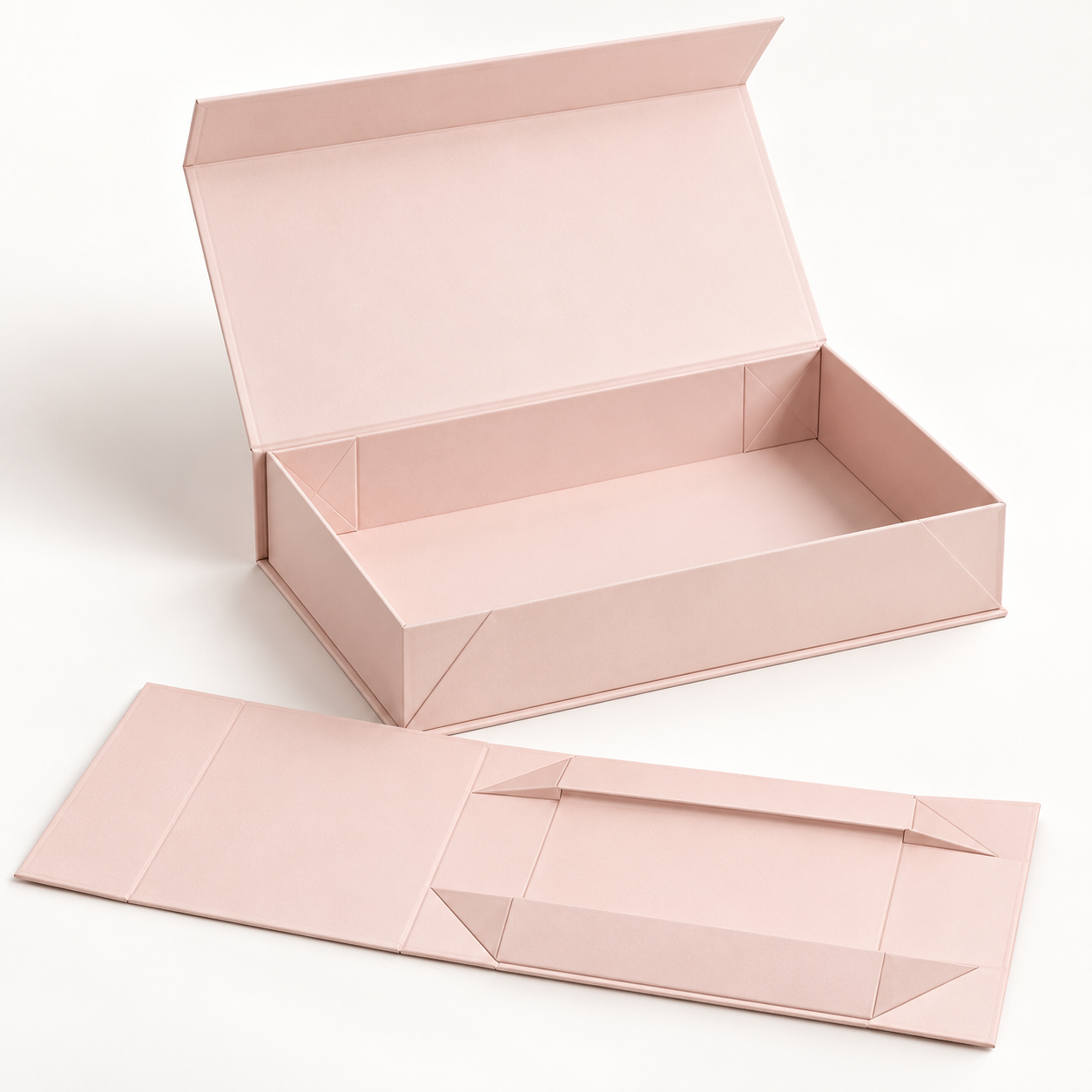


The fastest way to reduce packaging shipping costs is to ship less air. Freight is billed on the larger of weight or volume, and rigid boxes are bulky but light. Flat-pack structures, right-sized boxes, optimized cartons and the right shipping terms together can cut the cost per unit significantly.
Key takeaways
- Volume, not weight, usually sets the price for rigid packaging.
- Collapsible structures and right-sizing give the biggest savings.
- Plan cartons around pallet and container dimensions.
- Compare quotes on landed cost per unit, including freight and storage.
1. Use flat-pack structures
Collapsible rigid boxes ship flat, so many more units fit per carton. See the mechanics in how collapsible boxes reduce shipping volume.
2. Right-size the box and insert
Every extra centimeter of empty space is charged. Match internal size to the product, and use slim inserts. Pulp or cardboard inserts can be thinner than foam and flatten well. See the inserts guide.
3. Plan carton and pallet dimensions
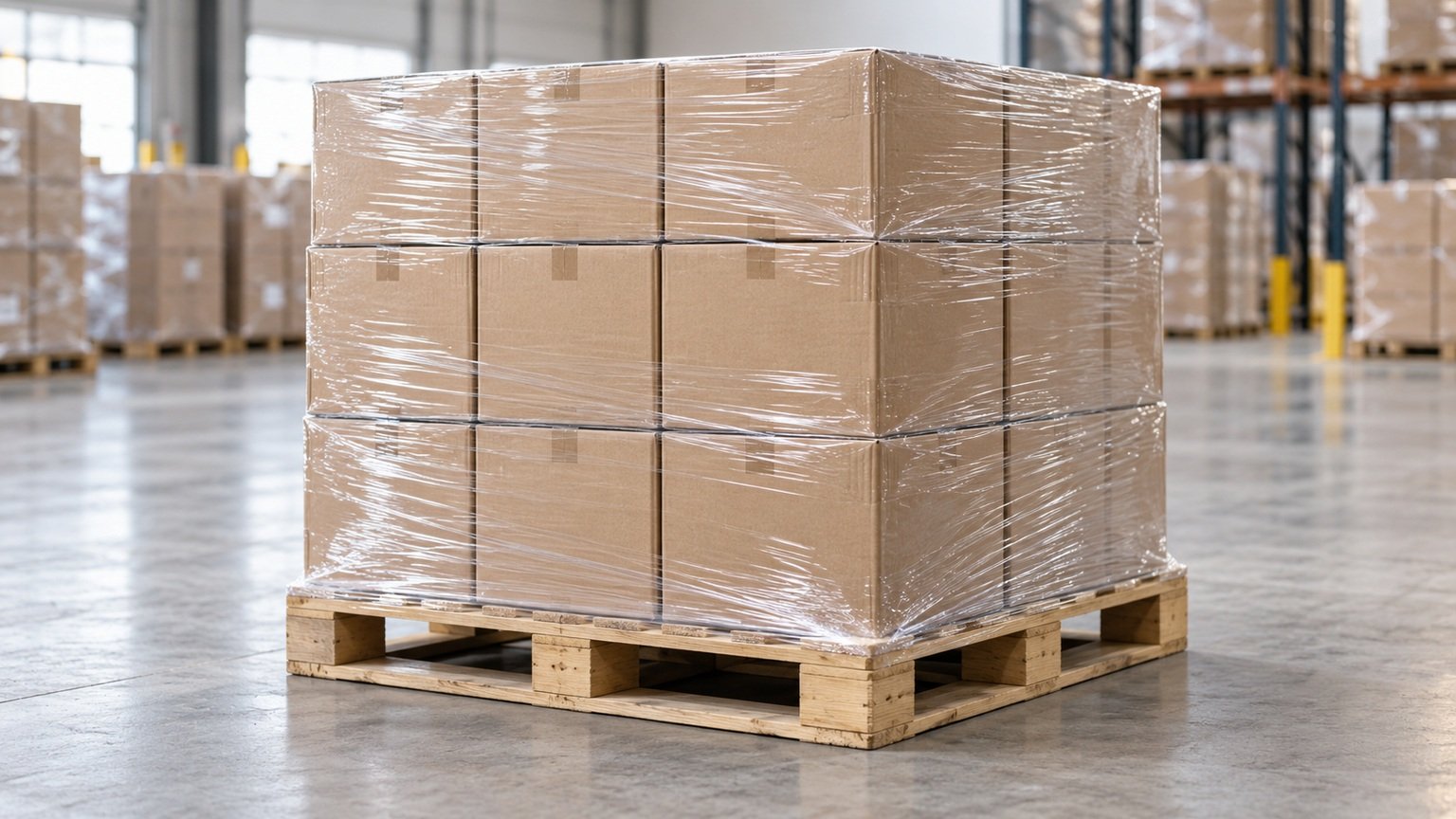
Design the export carton so it tiles a standard pallet and container without gaps. Ask your supplier for units per carton, carton size, gross weight and cartons per pallet. Understand dimensional weight before you set carton sizes.
4. Choose lighter materials where possible
Where weight is charged, use thinner board for lightweight products or switch heavy inserts to paper-based ones. Keep strength where it protects the product.
5. Match shipping mode to urgency
| Mode | Cost | Best for |
|---|---|---|
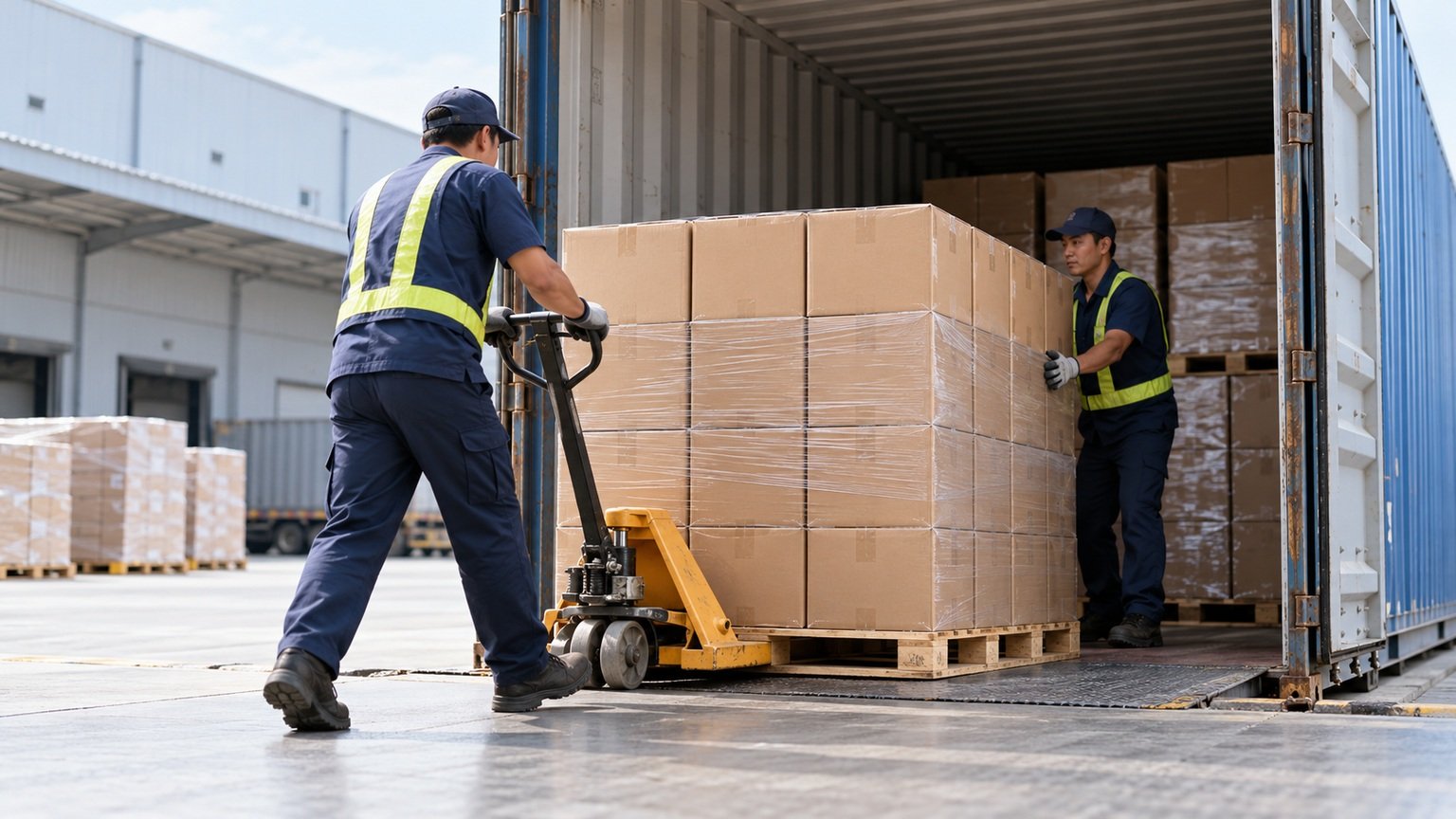
| Sea (LCL/FCL) | Lowest per unit | Planned, large orders |
| Rail | Mid | Asia to Europe lanes |
| Air | Highest, volume-sensitive | Urgent or small batches |
Flat-packing helps all modes, and especially air.
6. Consolidate orders
Combine boxes, inserts and labels in one shipment, and order seasonal packaging early enough for sea freight rather than air.
7. Choose the right Incoterms
FOB, EXW, CIF and DDP split costs and risk differently. Know what each includes: Incoterms. We can quote on the term that fits your forwarder.
8. Compare landed cost, not unit price
Landed cost per unit = box price + freight + duties + storage + handling. A slightly higher unit price on a flat-pack box often wins overall. See collapsible vs traditional rigid box and warehouse space optimization.
Frequently asked questions
What is the biggest factor in packaging freight cost?
Volume. Rigid boxes are light but bulky, so the space they occupy usually determines the price.
Do collapsible boxes always cost less to ship?
Almost always per unit, because they take less space. Savings grow with quantity and distance.
Should I ship by sea or air?
Sea is cheapest for planned orders. Use air only for urgent or small batches.
What should I ask my supplier for?
Units per carton, carton dimensions, gross weight per carton and cartons per pallet.
Can you quote different shipping terms?
Yes. Tell us your forwarder and preferred Incoterm.
Lower your landed cost
Share size, quantity and destination and we will quote with carton details.
Talk to Our TeamRequest a Quote
Tell us about your project. Share your box style, size, materials and quantity, and our team will come back with a custom packaging quote.
Leave a Reply