
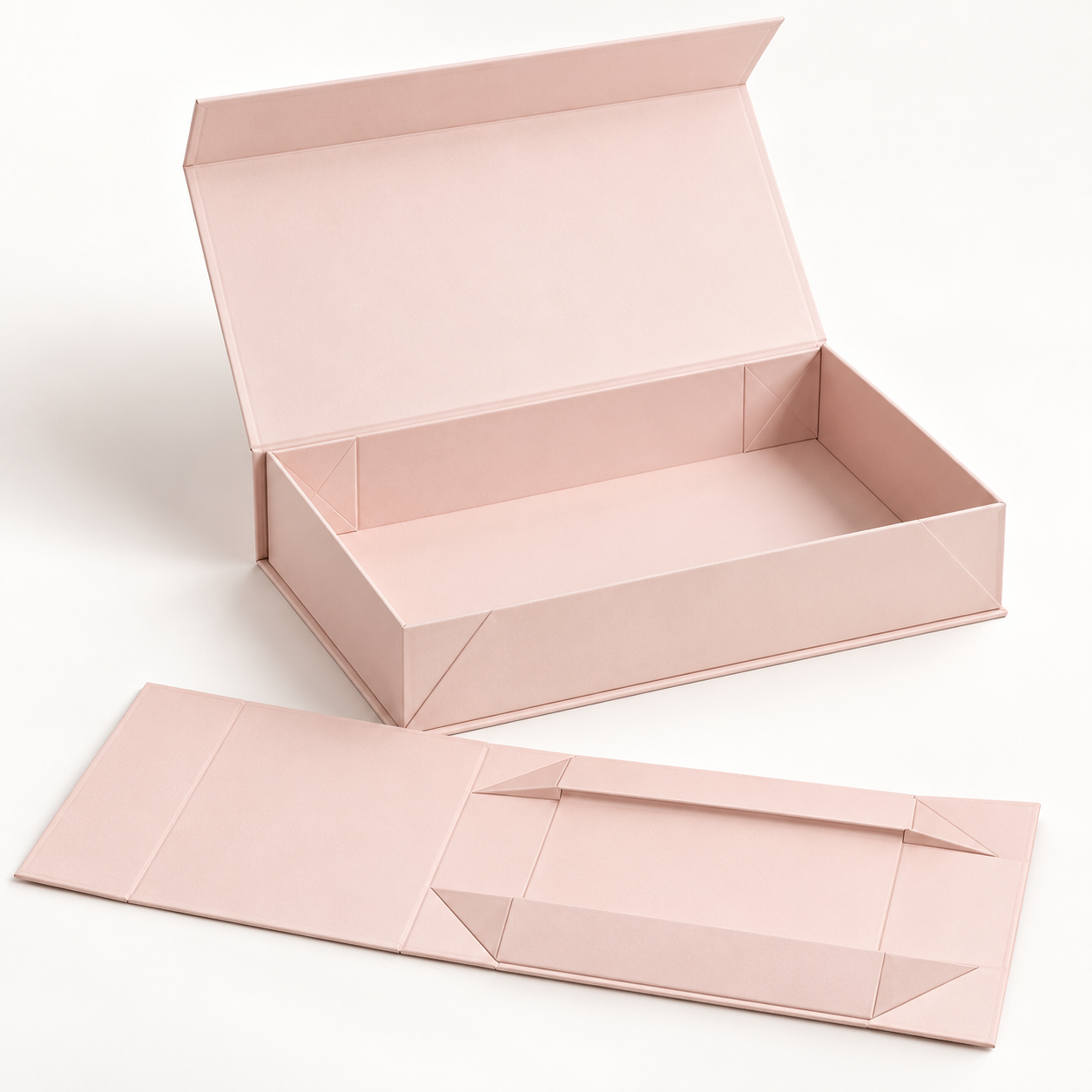


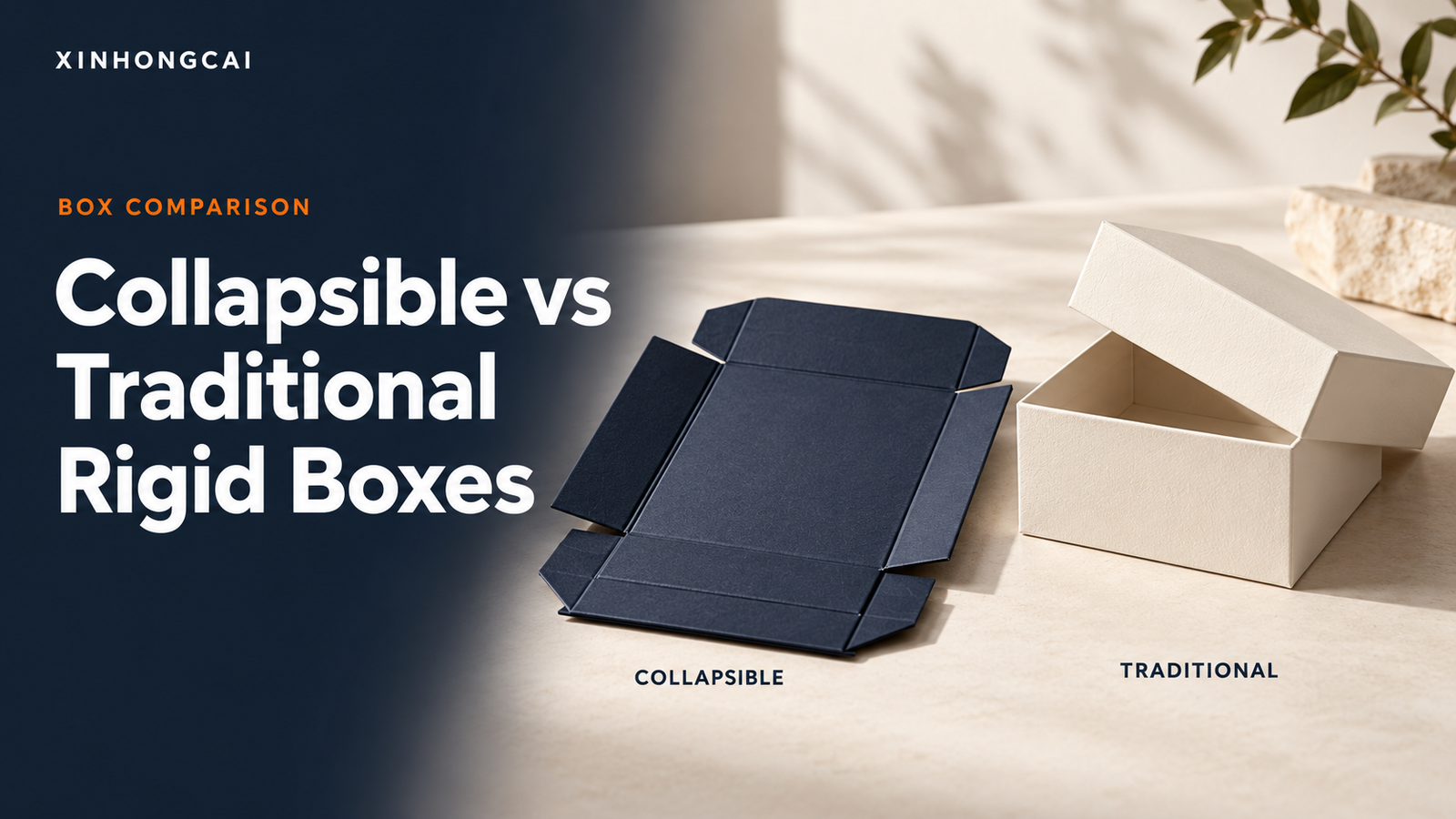
A collapsible rigid box and a traditional rigid box look equally premium once assembled; the difference is logistics. A traditional rigid box ships pre-assembled and takes its full volume in every carton, pallet and warehouse. A collapsible rigid box ships flat and opens on arrival, so it uses far less space. Which one is better depends on order size, destination, storage and how heavy the product is.
Key takeaways
- Choose collapsible when freight, warehouse space or international shipping matter, and for orders of a few thousand units or more.
- Choose traditional for very heavy products, very small runs, or when boxes are filled right next to the factory.
- Presentation is equivalent: the same papers, foils, embossing and inserts are available on both.
- Unit price is often slightly higher for collapsible, but landed cost is often lower once freight and storage are counted.
What is the difference?
Traditional rigid boxes
A traditional rigid box (set-up box) is glued into its final shape at the factory using thick paperboard or greyboard wrapped in printed paper. It is very sturdy and has been the standard for luxury packaging for decades. Because it is already 3D, it ships and stores at full volume. Our lid and base boxes and drawer boxes are examples of this format.
Collapsible rigid boxes
A collapsible rigid box uses the same type of board but is built with hinged panels and a locking or magnetic structure so it folds flat. See our collapsible rigid box range, including five-panel, six-panel and seven-panel structures and collapsible magnetic boxes. New to the format? Start with Why Choose Collapsible Rigid Boxes.
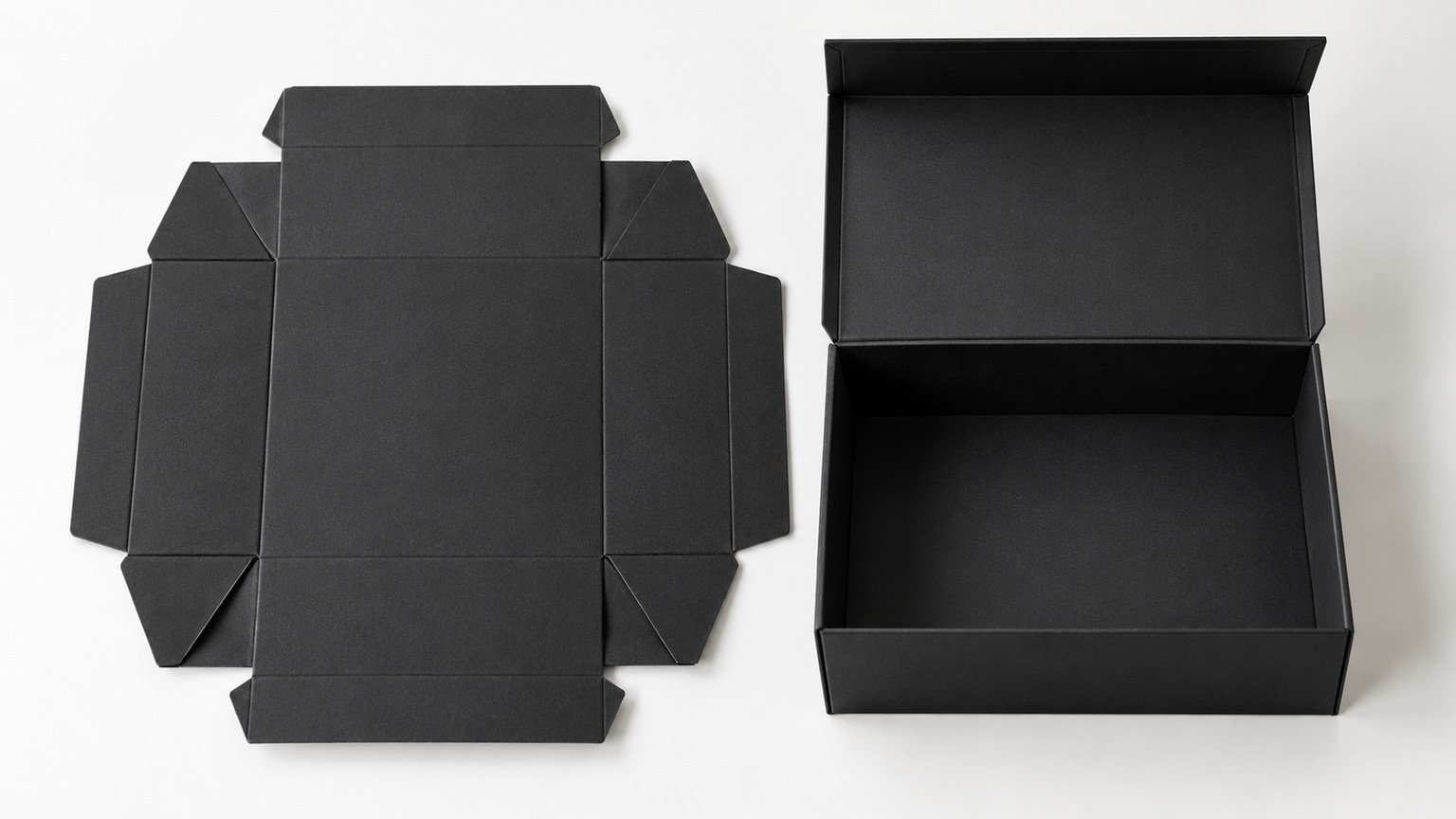
Side-by-side comparison
| Factor | Collapsible rigid box | Traditional rigid box |
|---|---|---|
| Shipped as | Flat | Assembled |
| Units per export carton | Many more | Fewer |
| Freight cost per unit | Lower | Higher |
| Warehouse space | Minimal | Large |
| Unit price | Often slightly higher | Often slightly lower |
| Strength with heavy products | Good for most gifts; limited for very heavy items | Excellent |
| Customization | Print, foil, emboss, spot UV, inserts, magnets, ribbons | Same |
| Assembly on arrival | Seconds, no tools | None |
| Typical lead time | 10–20 working days after sample approval | 10–20 working days after sample approval |
Cost: unit price vs landed cost
Comparing only the unit price can be misleading. A useful comparison is landed cost per unit: box price plus freight, duties, warehousing and handling. Because a collapsible box occupies a fraction of the volume, freight and storage per unit fall sharply, which usually outweighs a small unit-price premium on larger orders. A rough way to test it: ask both quotes with the number of units per carton and the carton size. Divide freight by units to see the real difference. Our guide to reducing packaging shipping costs walks through the calculation. Shipping terms such as FOB, EXW and DDP also change what is included; see Incoterms for definitions.
Strength and durability
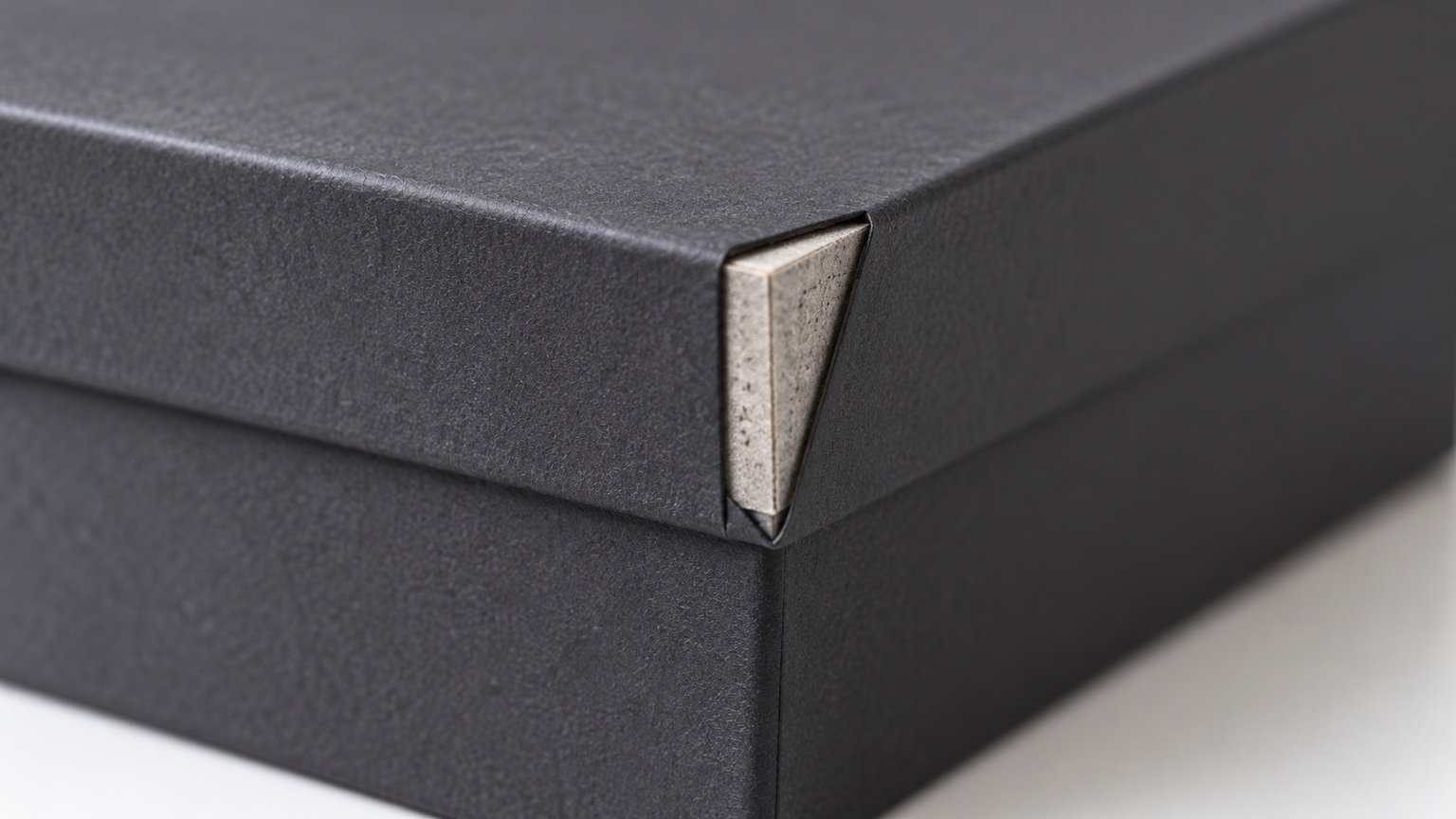
Both use thick board, and for typical gift sets, cosmetics, electronics accessories, tea or chocolate the collapsible structure is strong enough for transit inside an outer carton. For very heavy items (for example, large glass bottles in multi-packs) a fixed rigid box has no hinge lines and carries load more evenly. If you are unsure, we can build a sample and test it with your product before mass production.
How to choose
- Order size: a few thousand units or more favors collapsible; very small runs may favor traditional.
- Destination: overseas sea or air freight favors collapsible.
- Storage: limited warehouse space or seasonal stock favors collapsible. See how to optimize packaging warehouse space.
- Product weight: heavy products favor traditional.
- Fulfillment: if you pack by hand and need speed, both work, but flat storage keeps the packing bench tidy.
Still undecided? Send your product size, weight, quantity and destination and we will recommend a structure.
Frequently asked questions
Is a collapsible rigid box cheaper than a traditional rigid box?
The unit price is often slightly higher, but the landed cost is often lower on larger orders because freight and storage volume are much smaller.
Does a collapsible rigid box look less premium?
No. It uses the same board, papers and finishes as a traditional rigid box, and once opened it is hard to tell the difference.
Which is stronger?
A traditional rigid box is slightly stronger because it has no fold lines, which matters for very heavy products. For typical gifts and cosmetics, collapsible boxes are strong enough.
Can both have magnets, ribbons and inserts?
Yes. Magnetic closures, ribbons, windows and fitted inserts are available on both formats.
What is the minimum order quantity?
Luxury rigid boxes typically start from 200 to 1,000 units per design, depending on structure.
How fast can I get samples?
Samples typically take 3 to 5 working days after artwork is finalized.
索取报价
请告诉我们您的项目信息。分享您的包装盒样式、尺寸、材料和数量,我们的团队会为您提供定制包装报价。.
发表回复